

10 standout technologies from IFA 2026 as AI takes centre stage in Berlin
A look at the latest AI-powered technologies unveiled at Europe's biggest consumer electronics trade show.
BERLIN — IFA 2026, Europe's largest consumer electronics trade show, officially opened on Friday and will run through Sept. 8 at Messe Berlin. Artificial intelligence is embedded in almost every product category this year, from smart-home appliances to toothbrushes. Last year's event attracted 220,000 visitors from 140 countries and more than 1,900 exhibitors, and this year's show appears set to match that scale. Here are 10 standout technologies attracting attention on the exhibition floor.
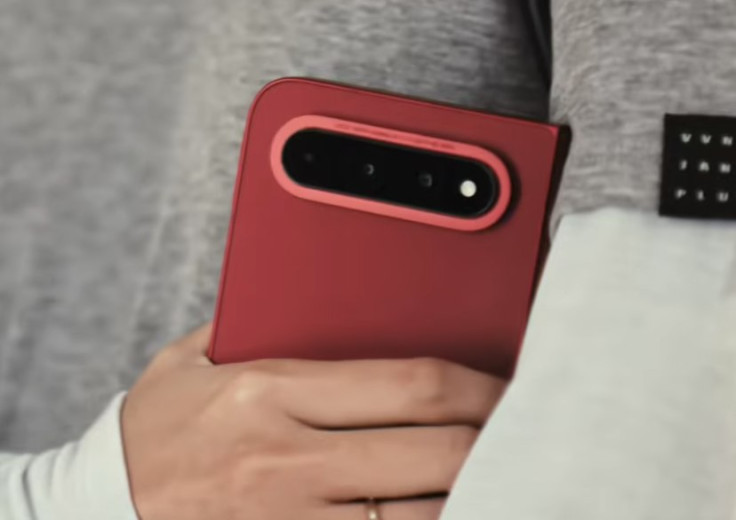
- Xiaomi 18 Fold. Xiaomi is using IFA week to build anticipation for its new "mid-fold" smartphone, which will officially launch in China on Sept. 7. The device has a 5.38-inch external display and a 7.58-inch internal screen, powered by Xiaomi's self-designed XRing O3 chipset with a 10-core CPU architecture. The company says the chip delivers significantly better graphics performance and power efficiency than its predecessor, positioning the phone as a rival to Samsung and Huawei's wide-format foldables.
- LG ThinQ Claw. LG is unveiling ThinQ Claw, a conversational AI agent for its smart-home ecosystem developed partly from the company's earlier acquisition of the Homey smart-home platform. LG says the assistant is designed to understand users' intentions and context, then complete tasks by connecting and coordinating relevant services and devices, including both LG appliances and third-party smart-home products.
- Dyson CameraJet. Dyson is entering the electric-toothbrush market for the first time with its $500 CameraJet, which combines an AI-powered camera with an integrated water flosser. The camera tracks brushing patterns in real time and automatically releases mouthwash like a water flosser when it detects the brush passing over a gap between teeth. Users can therefore brush and floss at the same time with a single device.
- XREAL Aura mixed-reality glasses. XREAL is showcasing its new Aura mixed-reality glasses at IFA, powered by Google's Android XR platform. Reviewers who tested the device compared it with a lighter version of Apple's Vision Pro, citing solid display quality and a maturing software platform, although the wider smart-glasses category is still searching for its ideal form factor. XREAL is targeting a release before the end of 2026.
- TP-Link Archer 8 Ultra and Deco 8 Ultra. TP-Link is among the first companies to bring hardware to market based on the still-unfinalised Wi-Fi 8 standard. At this year's show, it unveiled the Archer 8 Ultra tri-band router and Deco 8 Ultra mesh networking system. Both devices use the upcoming IEEE 802.11bn wireless standard, with TP-Link presenting them as solutions to everyday connectivity problems rather than simply attempts to deliver incremental speed gains.
- Acer Project DualPlay Mini. Acer demonstrated a concept gaming handheld that flips open and swivels to reveal a hidden keyboard, transforming an 8-inch Windows gaming device into a tiny laptop. The concept takes design cues from Acer's existing Predator Atlas 8 handheld and remains strictly a concept, with no confirmed price, specifications or production timeline. Acer also introduced the market-ready Predator Atlas 7, a smaller 7-inch handheld that will reach consumers this year.
- Acer SleepLab Pro. Acer is also moving into sleep-tracking technology with the SleepLab Pro, a bedside speaker that uses 60GHz radar to monitor sleep stages, heart rate and breathing without requiring a wearable device. It also functions as a sleep aid, offering more than 180 built-in sounds and a 28-day guided-breathing programme. Acer says users will not need a subscription to access the core features when the product eventually reaches the market.
- XGIMI Aura 3 projector. XGIMI is advancing home-projection technology with its Aura 3, which combines high brightness with 4K resolution and a smooth 120Hz refresh rate aimed at fast-moving sports and gaming content. Rival projector maker JMGO also displayed its N3 Ultimate at the show, although early hands-on impressions noted some colour distortion at peak brightness settings.
- Beyerdynamic Aventho Y headphones. German audio manufacturer Beyerdynamic, which has been operating for a century, used IFA to introduce its Aventho Y headphones. The design recalls Apple's AirPods Max, while replaceable ear cups are intended to support long-term repairability. The company, known for supplying professional audio equipment to musicians and recording studios, is positioning the headphones as a consumer-focused extension of its studio-grade audio heritage.
- JLab ANC earbuds with Apple Find My integration. Among the more affordable products at the show, JLab introduced compact, low-cost active noise-cancelling earbuds featuring proprietary technology compatible with Apple's Find My network. This allows the charging case to work in a similar way to an Apple AirTag for location tracking, while keeping the earbuds notably small and cheaper than competing premium models.
Beyond the individual products, IFA chief executive Leif Lindner said at the show's opening ceremony that exhibitors continue to pursue AI-focused innovation despite broader industry headwinds, including a well-documented global memory-chip shortage that has pushed up component costs across the consumer electronics industry. The pricing pressure has affected categories ranging from smartphones to laptops, even as companies race to differentiate their products with AI-powered features.
Samsung and LG separately dominated this year's IFA innovation awards, with the two South Korean electronics giants collectively receiving 11 awards across categories including AI-powered appliances, next-generation display technology and audio innovation. LG also won the show's top overall Best Brand award, highlighting the intensifying competition between the companies to establish leadership in AI-integrated consumer electronics across the European market.
IFA 2026 will continue through Sept. 8, with further product announcements and hands-on demonstrations expected during the remainder of the event. Exhibitors are continuing to unveil devices spanning smart-home technology, wearables, gaming hardware and home-entertainment systems to the hundreds of thousands of attendees expected at Messe Berlin before the show closes.
Originally published on ibtimes.com.au
© Copyright 2026 IBTimes AU. All rights reserved.