Taiwan extends 14-day visa-free entry for Thai travellers through July 2027
Cambodian nationals lose access to two visa facilitation programmes on the same date and must apply for a standard visa
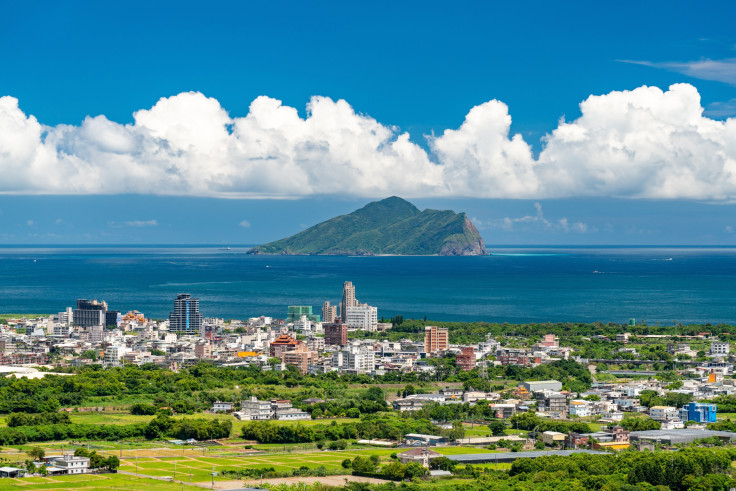
Taiwan's Ministry of Foreign Affairs has extended its trial visa-free entry programme for ordinary passport holders from Thailand, Brunei and the Philippines by one year, from August 1, 2026 to July 31, 2027. The extension gives travellers from the three countries an uninterrupted period in which to visit Taiwan without arranging a visa in advance.
The programme allows stays of up to 14 days, counted from the day after arrival. The limit is firm: under Taiwan's visa-exempt entry rules, stays cannot normally be extended or converted into a visa-based stay. Travellers planning to remain for more than two weeks must apply for a separate visa through a Taiwan overseas mission before departure.
What Thai, Bruneian and Filipino passport holders can do from August 1
Taiwan's Ministry of Foreign Affairs issued the announcement extending visa-free entry through July 2027 on July 17, 2026, following a cross-ministry review that began on April 21. The current programme was due to expire on July 31, 2026 — six days from now — but the extension will take effect seamlessly on August 1 without a gap in coverage.
Eligible travellers are ordinary passport holders from Thailand, Brunei and the Philippines. Diplomatic, official and service passport holders are not covered because they fall under separate diplomatic exemptions. One exception is that holders of a Brunei Certificate of Identity may enter for up to 14 days.
The extension covers tourism, family visits, business meetings, exhibitions and other activities that do not require a permit. Anyone intending to work, provide religious services or undertake activities requiring a permit under Taiwanese law must obtain the relevant visa or authorisation before arrival.
Eligible entry points include Taiwan Taoyuan International Airport, Taipei Songshan Airport, Taichung International Airport, Kaohsiung International Airport and Hualien Airport, as well as several regional airports and seaports, including Keelung and Kaohsiung harbours.
The 14-day limit is strict
The 14-day limit is one of the most important details of the programme. Under Taiwan's official visa-exempt entry rules, the permitted stay begins on the day after arrival and cannot be extended at an immigration office. Visa-exempt entry also cannot be converted into a visa-based stay, except in limited force majeure situations, such as severe acute illness, natural disasters or similar emergencies, and in the case of certain white-collar professionals who obtain qualifying work permits valid for less than six months. These exceptions do not apply to Thai, Bruneian or Filipino nationals entering under this programme.
By comparison, most Western passport holders entering Taiwan visa-free are granted 90 days, while several other nationalities receive 30 days. Travellers from Thailand, Brunei and the Philippines planning trips of more than two weeks should apply for a standard visitor visa through a Taiwan Bureau of Consular Affairs overseas office before booking non-refundable flights or accommodation.
Crew members from Thailand, Brunei and the Philippines who intend to board vessels or report for duty are specifically excluded from the visa-free programme and must hold the appropriate work authorisation.
Documents required at the border
According to the Bureau of Consular Affairs' visa-exempt entry requirements, Thai, Bruneian and Filipino travellers entering under the exemption must present all of the following:
A passport valid for at least six months from the date of entry; a confirmed return or onward air or sea ticket; proof of accommodation, such as a hotel booking confirmation; verifiable contact details for a local host or sponsor in Taiwan; and evidence of sufficient funds for the trip.
Travellers must also complete Taiwan's digital arrival card online before flying. The National Immigration Agency's TWAC arrival card system at twac.immigration.gov.tw must be completed within seven days before entry. After submitting the form, travellers receive an email confirmation that immigration officers may request at the airport. The digital pre-registration requirement applies to all foreign visitors and is separate from the visa exemption.
Emergency, temporary and other informal passports are not eligible for visa-free entry under the programme. Holders of such documents should apply for an e-visa or visitor visa through a Taiwan overseas mission before departure.
Why Cambodia is losing two Taiwan travel programmes
While Thailand, Brunei and the Philippines gain another year of visa-free access, Cambodia will lose eligibility for two separate facilitation programmes on August 1, 2026. Under the Foreign Ministry announcement, Cambodian nationals will no longer qualify for the Travel Authorisation Certificate scheme, which provides conditional visa-free entry, or the Guanhong Project, which simplifies visa procedures for high-end group tours. Cambodia has participated in both programmes since 2018.
Taiwan's Foreign Ministry said the decision reflects Cambodia's failure to reciprocate diplomatic goodwill and its alignment with China on sovereignty statements that undermine Taiwan's position, according to the Taipei Times. The ministry also cited Cambodia's association with cross-border fraud cases. It said any resumption of facilitation for Cambodian nationals would depend on future changes in Cambodia's policy towards Taiwan.
The announcement was made on July 17, 2026, the final day of Cambodian Prime Minister Hun Manet's July 15-17 visit to China. During the visit, he publicly reiterated Cambodia's One-China policy at the 2026 World AI Conference in Shanghai.
Cambodian nationals wishing to visit Taiwan must now apply for a standard visitor visa through a Taiwan overseas mission before travelling. The change applies only to the two facilitation programmes; Cambodia was never included in the full visa-free scheme extended to Thailand, Brunei and the Philippines.
Other Southeast Asian countries remain on separate tracks
Access to Taiwan for other Southeast Asian nationals is governed by two additional programmes, which cover different countries and operate on separate timelines.
India, Indonesia, Vietnam, Myanmar and Laos remain eligible for the Guanhong Project, which provides simplified visa procedures for high-end group tours and has been extended through December 31, 2027. The five countries also remain covered by the Travel Authorisation Certificate scheme, which offers conditional visa-free entry through an online pre-application process. This is separate from the full 14-day visa-free access available to Thai, Bruneian and Filipino passport holders.
Visitors from Southeast Asia have become an increasingly important part of Taiwan's inbound tourism market. In May 2026, travellers from the region accounted for 224,142 arrivals, or about 32% of all inbound visitors that month, up 6.5% from May 2025, according to Taiwan Tourism Administration statistics. Filipino arrivals reached 62,800, up 12.4% year on year, while arrivals from Thailand totalled 35,375.
Taiwan's Foreign Ministry said it would continue reviewing its visa policies to strengthen bilateral ties, attract more visitors and maintain border security. The extension for Thailand, Brunei and the Philippines remains a trial programme subject to annual review, so travellers planning trips after July 2027 should check its status closer to the date.
Originally published on Travelers Today
This article is copyrighted by Travelers Today, the travel news leader
- MOST POPULAR IN World